
"coffee rainfall impact"
1000 article(s) found

Effect of rainfall during Coffee Harvest on Coffee beans Challenge of rainfall treatment Farm during Coffee Harvest
Rainfall in the harvest period represents the damage of coffee although rainfall is important for the high yield and growth of coffee, it is a negative threat to ripe coffee fruit, which will be knocked to the ground and the fruit that falls to the ground will begin to ferment if it lingers for too long. On the other hand, the fruit left on the branch may crack because it absorbs too much water too quickly, which will lead to
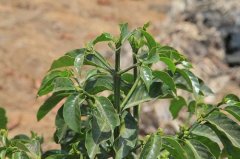
Eight boutique coffee producing areas in Guatemala describe in detail the impact of rainfall on coffee trees.
Professional baristas Please follow the Coffee Workshop (official Wechat account cafe_style) Coffee has helped the Guatemalan economy for more than a century. Today, an estimated 125000 coffee producers drive Guatemala's coffee industry, and coffee remains one of Guatemala's main exports, accounting for 40 per cent of all agricultural export earnings. Guatemala is the most likely.

What are the factors that affect coffee quality?
The annual coffee harvest period, for example in El Salvador, is from November to February to March of the following year, which is a dry and cold season, which is very suitable for picking coffee fruits, but all of this will be variable due to rainfall. The author was in El Salvador at the time of writing and witnessed the dramatic changes brought about by rainfall. The flowers on the coffee trees bloomed when the workers harvested them. Br

Climate change impacts global production Coffee prices may soar
Global coffee production in major coffee producing areas, including Brazil, has been greatly reduced due to climate change, and coffee prices are likely to soar in the future, Fortune magazine said recently.

Climate change impacted coffee prices. A large number of investors poured into the market.
It is reported that the main global coffee producing areas, including Brazil, have greatly reduced their production due to the impact of climate change, and coffee prices are likely to soar in the future. However, the price of coffee will not rise sharply this year at least. Several of these factors seem to be driving up coffee prices: a disease called leaf rust has broken out in Central America
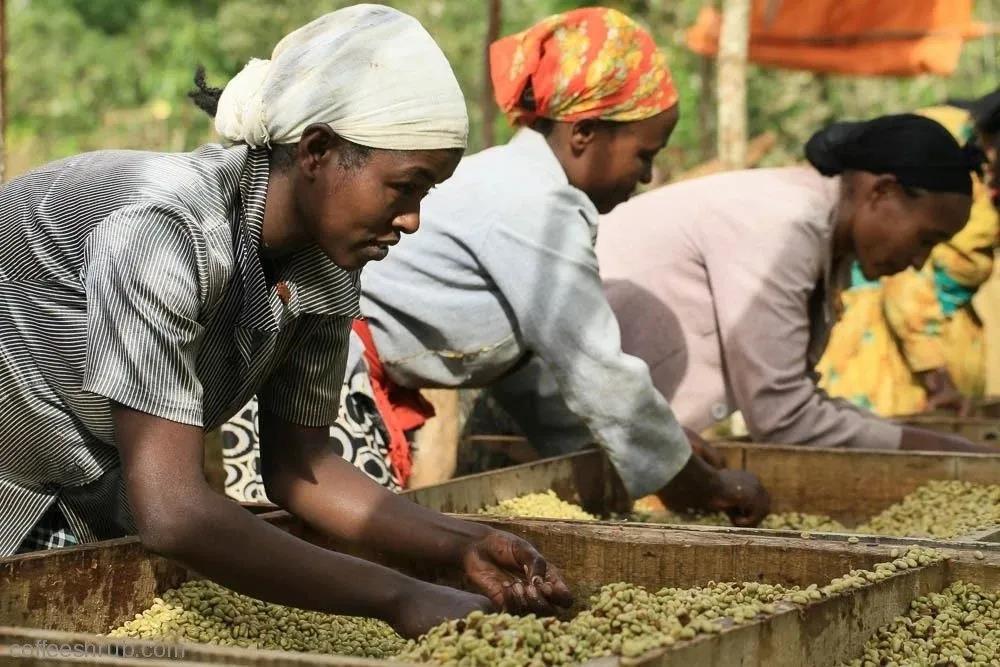
Climate change affects the yield and quality of Ethiopia's Yega Xuefei boutique coffee beans
Professional coffee knowledge exchange more coffee bean information follow coffee workshop (Wechat official account cafe_style) A new study conducted by an international research group shows that climate change is affecting Ethiopia, Africa's largest coffee producer! In the future, the production of Ethiopia's boutique coffee beans will continue to decline, and the flavor will become more and more insipid. Carry out the research

What is the impact of the growing conditions and types of coffee? where is the coffee growing area?
Professional coffee knowledge exchange more coffee bean information Please follow Coffee Workshop (Wechat official account cafe_style) Coffee growing areas in the world there are three main coffee growing areas in the world, with different flavors due to their topography, climate, planting methods and processing techniques. Starbucks coffee buyers shuttle between the Tropic of Cancer coffee planting belts and buy the best coffee from all over the country.

Brazil coffee production ranks first in the world when there is a long drought in Brazil coffee producing areas.
Professional coffee knowledge exchange more coffee bean information please follow the coffee workshop (Wechat official account cafe_style) according to the Reuters S ã o Paulo bureau reported on May 20, it is expected that starting from the weekend, Brazil's main coffee producing areas will begin to rain in the next few days, and the rain will become more and more intense, which may delay the next coffee harvest in Brazil, but it will be for next year.

Agencies affected by insufficient rainfall and insect pests downgrade coffee production forecasts in Brazil
Professional baristas please follow the coffee workshop (Wechat official account cafe_style) Reuters reported on Aug. 18 that the Brazilian Coffee Cooperative (Cooxup), the world's largest coffee cooperative, recently reported that its base in the southern state of Minas Gerais (Minas Gerais) cut its coffee production estimate from 17 million packets to 14 million packets (60 kg each), compared with the previous year.

The impact of climate change on coffee trees and the harm that climate change brings to coffee
Professional coffee knowledge exchange more coffee bean information Please pay attention to the coffee workshop (Wechat official account cafe_style) Climate change makes the original coffee bean growing area may no longer be suitable for growing coffee beans. This may lead to a reduction in the yield of coffee beans and the quality may not be as good as it used to be. For example, the temperature at which the common Arabica coffee beans (Coffea arabica) are suitable for growth

Abnormal climate in Costa Rica affects coffee production
According to the latest report released by the Costa Rican Coffee Authority, coffee production in the country has plummeted by nearly 30 per cent in the past decade, including a 15 per cent drop in 2011 compared with the same period last year. The report also pointed out that although the increase in production costs, price fluctuations in the international market and domestic policy changes have led to a decline in coffee production year by year, the main reason is the intensification of climate change. Costa Rica is the main coffee in the world

Vietnam Coffee Industry strives to overcome the impact of Climate change
Extreme weather phenomena occurred frequently in many parts of Vietnam in 2016, adversely affecting coffee bean processing, the Vietnam News Agency reported. It not only increases labor costs and prolongs processing time, but also affects the quality and value of coffee exported from Vietnam. Vietnam Coffee Import and Export Center produces an average of 300 tons of coffee per day. However, since the beginning of the year, coffee beans have been processed

Guatemala Cofiadi Farm washed coffee beans Flavor Description Producing area story
Professional coffee knowledge exchange More coffee bean information Please pay attention to coffee workshop (Weixin Official Accounts cafe_style) Guatemala coffee Cofiadi farm washed coffee beans (cooked beans) with chocolate aroma, caramel aroma, dark chocolate flavor, very shocking acidity, lasting aftertaste, strong alcohol. After the tidal movement brought about the impact, people gradually

Global warming threatens coffee extinction by 2080, impacting 120 million livelihoods
Professional coffee knowledge exchange More coffee bean information Please pay attention to coffee workshop (Weixin Official Accounts cafe_style) Australian Climate Research Institute released the latest research report, such as global warming continues, wild coffee beans may be extinct due to pests or extreme weather in 2080, affecting the livelihood of 120 million people who rely on coffee bean production. According to Hong Kong's "Ming Pao" quoted foreign media reports, research

Coffee farms in Ethiopia may be relocated due to climate change
Professional baristas follow Coffee Workshop (Wechat official account cafe_style) A new study warns that climate change is having a huge impact on coffee farms in Ethiopia, forcing farmers to relocate their farms or lose their crops, foreign media reported. These troubles are caused by rising temperatures and reduced rainfall, resulting in a reduction in coffee cultivation. Decades later, 60% of Ethiopia

Ethiopia, a big producer of coffee beans, has reduced production. What will happen in the future?
A lot of the coffee we drink today is made from Arabica beans. Ethiopia is not only an important producer of Arabica coffee beans, but also the largest producer of Arabica coffee beans in Africa, with 15 million people living on it and an important economic pillar. But climate change, such as rising temperatures and reduced rainfall, is affecting the coffee bean industry step by step. NPR reports that

African coffee growing countries which African countries are suitable for growing coffee African coffee producing country Uganda
For more information on coffee beans, please follow the Coffee Workshop (official Wechat account cafe_style) in Uganda, Robusta coffee production has been adversely affected by climate change, which has affected regional weather patterns. In recent years, Uganda experienced drier conditions during the normal spring rainy season and early summer, and experienced more at the end of the year.

The producing areas of Guatemala coffee beans distribute the climatic environment of Guatemala
Professional coffee knowledge exchange more coffee bean information Please pay attention to the coffee workshop (Wechat official account cafe_style) after the impact of the Kuroshio movement, people gradually began to acquire professional knowledge and technology related to the coffee industry. In addition to the annual large-scale coffee-related exhibitions, barista competitions and the ever-changing baking equipment of various countries, our loyalty and love for coffee is no longer

Taste characteristics of Guatemalan coffee beans from Starbucks introduction to Guatemalan Coffee producing areas
Professional coffee knowledge exchange more coffee bean information Please follow the coffee workshop (Wechat official account cafe_style) have you ever wondered how many stories are behind this beautiful cup of coffee? This article discusses the micro-climate features which are closely related to coffee. After the impact of the Kuroshio movement, people gradually began to
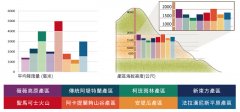
The eight major producing areas and microclimate of Guatemalan coffee create a perfect flavor.
Have you ever wondered how many stories are behind this beautiful cup of coffee? This article discusses the micro-climate features that are closely related to Guatemalan coffee. After the impact of the Kuroshio movement, people gradually began to have professional knowledge and technology related to the coffee industry. In addition to the annual large-scale coffee-related exhibitions, baristas competitions, and the rapid development of baking equipment, we are interested in